


 130 E. Airline Hwy, LaPlace LA, 70068
 (985) 652-4222
 Click To Email
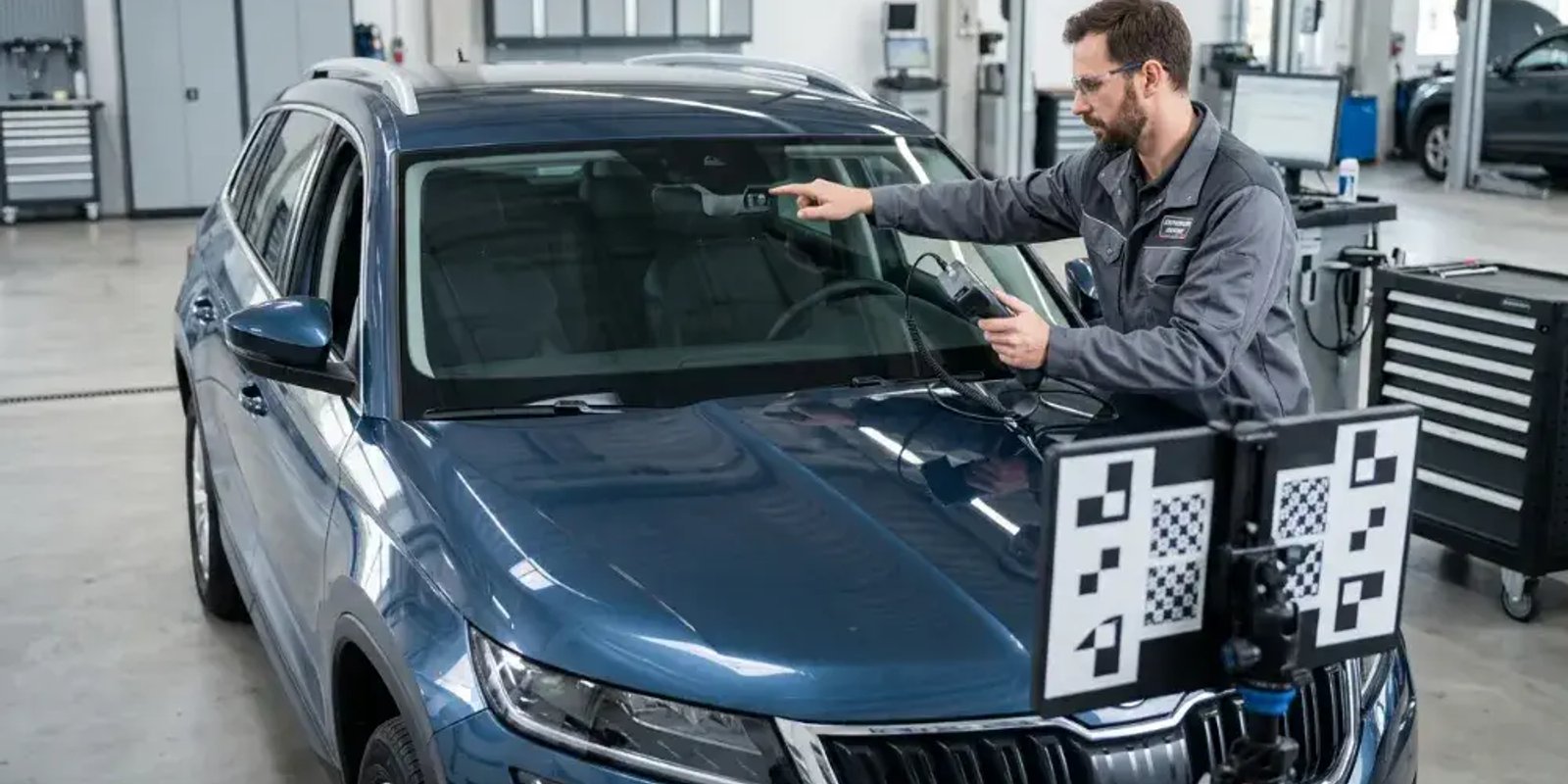

Most drivers think of vehicle safety in terms of physical structures like frame strength or airbags. Today, safety is also defined by software and sensors. Advanced Driver Assistance Systems, or ADAS, combine radar, sonar, and cameras to intervene when human reaction time is not enough.
These components are highly sensitive. Even a bumper repair, a new windshield, or a suspension adjustment can shift a sensor enough to affect the entire system, making calibration necessary.
What Is ADAS Calibration?
ADAS calibration makes sure your vehicle’s sensors and cameras are aligned with its computer systems so that all safety features work correctly.
| Sensor | Common location | Purpose |
|---|---|---|
| Forward-facing camera | Behind the rearview mirror | Detects lanes, signs, and obstacles |
| Radar sensor | Behind the grille | Monitors distance and speed |
| Ultrasonic sensor | Bumpers | Assists with parking and nearby objects |
| Side and rear camera | Sides and rear of vehicle | Monitors blind spots and lane changes |
If a component is displaced by even a millimetre, the car’s projected view of the road can be off by several feet at highway speeds. Calibration closes that margin of error.
How the Calibration Process Works
- Pre-calibration diagnostic: Technicians scan the vehicle network and check for errors that could interfere with sensor data.
- Static calibration: In a controlled service bay, targets are positioned at exact distances and heights so the vehicle can align its field of vision.
- Dynamic calibration: Some vehicles must be driven at specified speeds while the sensors adjust to road features.
- Verification and documentation: The completed calibration is checked and documented for service and insurance records.
Why ADAS Calibration Is Essential
Precision at Highway Speeds
At 65 mph, a vehicle travels nearly 100 feet every second. A small camera misalignment can change depth and distance calculations, causing a safety feature to react too late.
Avoiding Ghost Braking
Unnecessary emergency braking can happen when a misaligned sensor reads pavement, shadows, or overhead structures as hazards. Correct calibration helps the vehicle distinguish real threats from background information.
Insurance and Liability
After a repair, a vehicle should be returned to its pre-accident safety condition. Calibration records demonstrate that the electronic safety systems were checked and restored.
When Does a Vehicle Need ADAS Recalibration?
- After windshield replacement
- Following collision or bumper repair
- After suspension work or wheel alignment
- When an ADAS or “sensor blocked” warning appears
- After a camera, radar unit, or mounting bracket is replaced
How to Find a Qualified ADAS Professional
Look for trained technicians, OEM-level diagnostic equipment, a controlled and level calibration area, and a detailed report showing the completed work. Generic scan tools may clear a dashboard light without completing the precise alignment the manufacturer requires.
Conclusion
Modern road safety depends on both mechanical reliability and digital accuracy. Calibration should be included whenever windshield, collision, or suspension work affects the vehicle’s sensors.
Drivers who need professional auto glass service and ADAS windshield calibration can contact LaPlace Glass Works, serving the River Parishes community for more than four decades.
FAQs
What is ADAS windshield calibration?
It is the electronic realignment of the cameras and sensors used for functions such as lane keeping and collision warnings after the windshield or related components are disturbed.
How long does calibration take?
Many calibrations take one to two hours, depending on the vehicle, sensor count, and manufacturer procedure.
Does insurance cover calibration?
Many policies cover required calibration when it is part of an insured windshield replacement or collision repair. Confirm the details and deductible with your insurer.


 Get Started Today