


 130 E. Airline Hwy, LaPlace LA, 70068
 (985) 652-4222
 Click To Email
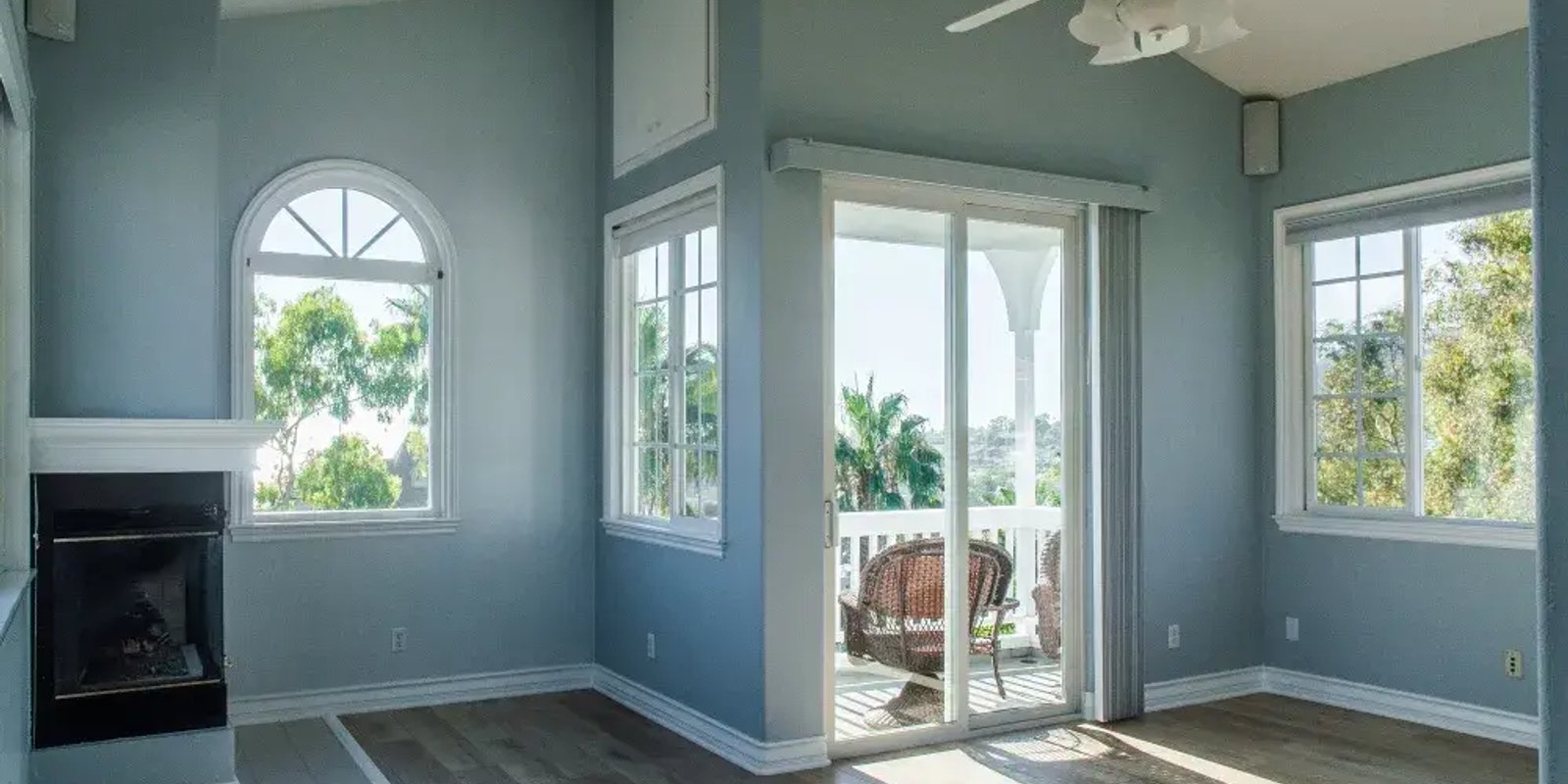

Installing new windows is a significant upgrade for any home. You look forward to lower energy bills and a fresh appearance, but installation day can become a headache if the house is not prepared. A lack of preparation may lead to damaged belongings, delays, and unexpected labor costs.
What to Expect During a Window Replacement Project
The crew begins by inspecting each opening to confirm that the measurements match the new units. Once everything checks out, they remove the old windows. This is often the loudest stage, and some dust and debris are unavoidable.
After removal, the opening is prepared and the new unit is installed level and plumb. Insulation and caulking are then applied to prevent air and moisture infiltration.
7 Essential Home Window Replacement Preparation Tips
1. Remove Window Coverings and Decorations
Remove curtains, rods, blinds, window film, stickers, and decorative items so the crew has clear access to the casing. Take down nearby artwork and mirrors as well; hammering vibrations can travel through the wall and knock objects from their hooks.
2. Relocate Furniture and Belongings
Aim for five to six feet of open floor space in front of each window. Move couches, desks, and tables away from the work zone. If a piano or built-in cabinet cannot be moved, tell the lead installer before work begins.
3. Safeguard Floors and Valuables
Crews often bring drop cloths, but an extra covering along paths from the entry door to each window can keep mud and debris off the floor. Cover televisions, computers, and other electronics, and clear bookshelves or mantels in dusty work areas.
4. Prepare Outdoor Access
Provide roughly four to five feet of clearance outside each opening. Trim shrubs and branches, move patio furniture and grills, coil garden hoses, and clear toys or ornaments. Second-story ladder locations need firm, level ground.
5. Turn Off Alarms and Window Sensors
Contact your security provider before the installation. Ask how to bypass the affected window zones and whether the sensors will need to be replaced or remounted after the new frames are installed.
6. Arrange a Safe Space for Children and Pets
Open window holes, tools, glass, and loud noises make the work area unsafe for young children and pets. Use a closed room away from the construction or arrange for them to stay elsewhere during the installation.
7. Communicate With the Installation Team
Walk through the house with the lead installer. Point out fragile items, accessible power outlets, and any areas requiring special care. Ask questions about trim, caulking, and the order of work before installation begins.
Conclusion
Good preparation reduces extra labor, protects your belongings, and helps the crew complete the work efficiently. With clear access, protected floors, disabled sensors, and a safe plan for children and pets, many installations can be completed in a day or two.
For reliable window replacement and guidance tailored to your home, contact LaPlace Glass Works.




 Get Started Today